
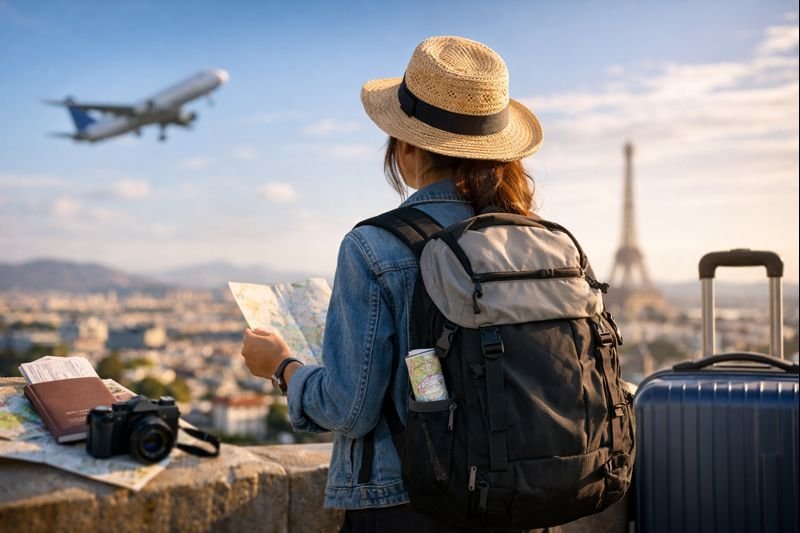

Traveling abroad is exciting, but it also brings some challenges and risks. Whether you travel often or are going overseas for the first time, it’s important to put your safety first. Being prepared—like protecting your belongings and learning about local customs—can help you have a smooth trip. If something goes wrong, a simple investment in travel insurance can save you a lot of trouble. Usually, it includes:
1. Research Your Destination Thoroughly
Before embarking on any international trip, it’s crucial to gather as much information as possible about the destination. Understanding the local culture, laws, and common scams can go a long way in avoiding dangerous situations.
- Safety Ratings: Check websites like the U.S. Department of State or travel advisory services for country-specific safety ratings. These sites list risks such as political unrest and natural disasters.
- Local Customs: Respect local customs and know the social norms. Some things that are fine at home might not be accepted or could even be illegal in other countries.
- Health Risks: Look up any health warnings or required vaccinations for your destination. It’s also smart to find out where local health care facilities are in case you need them.
2. Secure Your Documents and Valuables
Losing important documents is a common problem for international travelers. Here’s how to avoid it:
- Use a Money Belt or Hidden Pouch: Keep your cash, credit cards, and passport hidden beneath your clothes in a money belt or neck pouch.
- Digital Copies: Create digital copies of all of your vital documents, including your tickets, passport, travel insurance, and visa. You can securely save them in the cloud or email them to yourself.
- Emergency Contacts: Write down emergency numbers, your bank’s international hotline, and your country’s embassy contact information.
3. Stay Aware of Your Surroundings
Staying aware of your surroundings is important for safety when traveling. Whether you’re in a busy market or a quiet street, always pay attention:
- Avoid Distractions: Don’t walk around focused on your phone. Stay aware of what’s happening around you and try not to look lost.
- Trust Your Instincts: If something doesn’t feel right or you sense danger, trust your gut and leave the area.
- Be Cautious in Crowded Areas: Places with lots of tourists are common pickpocketing hotspots. Use bags with lockable zippers and keep your things close to you.
4. Choose Your Accommodation Wisely
Where you stay can affect your safety. When choosing a place to stay, think about the following:
- Location: Check if the neighborhood is safe. Try to stay near public transportation and important services.
- Reviews and Ratings: Check online reviews from other travelers. Websites like TripAdvisor or Booking.com offer insights into both the quality and Reviews and Ratings: Read online reviews from other travelers. Sites like TripAdvisor or Booking.com can tell you about the quality and safety of places to stay when you’re out exploring.
5. Use Reliable Transportation
How you get around in another country is as important as where you stay. Always choose reliable ways to travel:
- Public Transportation: Use official public transport rather than unmarked taxis or unknown ride-sharing services. If you take a cab, use the meter or agree on a price first.
- Private Drivers: If you want a private driver, book through a trusted app like Uber or Lyft, if available, instead of hailing random taxis.
- Walking or Cycling: Sometimes walking or cycling is the safest and most fun way to see a place. Just watch out for traffic and know the local road rules.
6. Avoid Risky Areas and Activities
Each country has its own risks, such as political unrest or hazardous natural areas. Here’s how to lower those risks:
- Avoid High-Risk Zones: If an area is known to be unsafe, stay away from it, especially after dark.
- Steer Clear of Risky Adventures: Activities like mountain climbing or diving can be exciting, but check the safety standards at your destination. Only do high-risk activities with certified guides.
7. Stay Connected and Share Your Travel Plans
Staying in touch with friends or family back home is important for your safety. Before you leave:
- Share Itinerary: Give your travel plans, where you’ll be staying, and emergency contacts to someone you trust.
- Use Safety Apps: Apps like Find My iPhone or Google Maps let your loved ones find your location if there’s an emergency.
- Regular Check-ins: Set up regular times to check in with family or friends and let them know where you are.
8. Purchase Travel Insurance
Travel insurance is a small cost that can save you a lot of trouble if something goes wrong. It usually covers:
- Medical Emergencies: Getting sick or hurt abroad can be expensive. Travel insurance helps cover emergency medical care.
- Trip Cancellations: If your trip is canceled for unforeseen reasons, you may be eligible to receive a refund.
- Lost Luggage: If your bags are lost or delayed, insurance can help you replace your things.
9. Stay Hydrated and Eat Smart
It may sound simple, but staying healthy while traveling is important for your safety. Drink bottled water or use water purification tablets to avoid getting sick. Eat food from trusted vendors and ensure your vaccinations are up to date.
10. Practice Self-Defense Techniques
Learning basic self-defense can help you feel more confident if you ever face danger. You should take a class before your trip or carry a whistle, pepper spray, or a personal alarm for extra protection.
Conclusion: Stay Safe, Travel Smart
You can discover new cultures and create wonderful experiences when you go overseas, but your safety should always come first. You can enjoy your trip and avoid unforeseen issues by following these travel safety recommendations. Although the world is vast, you can confidently and safely explore it if you are well-prepared.