
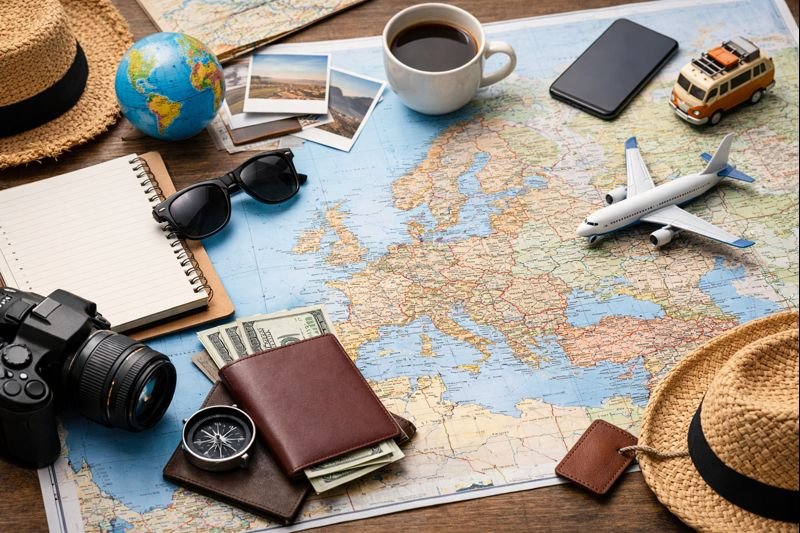

Planning a trip can be as exciting as it is overwhelming. The idea of exploring new destinations, immersing yourself in new cultures, and escaping the daily grind is thrilling. However, to ensure that your trip is smooth, fun, and stress-free, it’s essential to have a well-structured travel itinerary. But how exactly do you plan a perfect travel itinerary? In this guide, we’ll walk you through the process, offering tips, strategies, and tools that will make your planning both effective and enjoyable.
1. Set Clear Travel Goals
Before you begin your trip’s logistics, take some time to reflect on what you want to achieve. Do you want to relax and unwind, or are you seeking adventure and exploration? Your trip’s purpose will guide your decisions, from choosing your destination to deciding on the activities you’ll do.
Questions to ask yourself:
- What kind of experience am I looking for? (Relaxation, adventure, cultural immersion, etc.)
- Do I prefer structured plans or more spontaneity?
- Am I traveling solo, with family, or with friends?
By setting clear goals, you can tailor your itinerary to your preferences.
2. Choose Your Destination Wisely
Choosing the right destination is crucial. Whether you’re aiming for a tropical getaway, a historic city tour, or a nature-filled adventure, your destination should align with your goals. Do some research on the weather, local events, and seasonal attractions before making a decision. You don’t want to arrive at a destination only to find out that it’s too hot, cold, or overcrowded at that time of year.
Tips for selecting your destination:
- Consider the time of year: avoid peak seasons to avoid crowds and high prices.
- Think about proximity: How long are you willing to travel to get there?
- Research visa requirements: Ensure you know which paperwork is required.
3. Map Out Your Activities
Once you’ve chosen your destination, start thinking about what you want to do. This step can be overwhelming, especially with so many options. The key is to strike a balance between relaxation and exploration. A perfect travel itinerary includes a mix of popular attractions, hidden gems, and downtime.
Tips for mapping out activities:
- Prioritize must-see sights and experiences.
- Leave some space for unplanned moments and discoveries.
- Include a few buffer days in case of delays, weather changes, or spontaneous adventures.
Be sure to research the opening hours, ticket prices, and any restrictions for the activities you plan on doing. If you’re traveling during peak season, it’s often best to book tickets for major attractions in advance.
4. Organize Your Travel Dates and Timings
Now that you know where you’re going and what you want to do, it’s time to get into the specifics. Organize your days to avoid backtracking or cramming too much into a single day. Create a rough schedule, but remember to leave room for flexibility. You may become tired and frustrated if you overbook your agenda.
How to organize your travel days:
- Choose key attractions for each day and plan your travel times accordingly.
- You may become weary and agitated if you overbook your schedule. To reduce travel time, group events by location.
- Factor in rest periods and leisurely meals – they’re essential for recharging!
For longer trips, consider alternating between busy and lighter days to avoid burnout.
5. Plan Your Accommodations and Transportation
With your activities sorted, now it’s time to figure out where you’ll stay and how you’ll get from one place to another. When booking accommodations, think about convenience and location. Staying near the attractions you plan to visit will save you time and energy.
Accommodation tips:
- Opt for centrally located hotels, Airbnbs, or hostels to minimize commuting time.
- Consider local experiences – staying in a traditional guesthouse or boutique hotel might enhance your travel experience.
- Check reviews for cleanliness, service quality, and proximity to transportation.
For transportation, consider all your options. If you’re traveling within a city, is it more efficient to walk, use public transit, or hire a car? If you’re going between cities or countries, make sure your travel times align with your itinerary.
6. Budgeting for Your Trip
A well-defined budget is another essential component of an ideal trip schedule. It’s crucial to budget for everything related to your trip, including travel, lodging, activities, and meals. To keep track of your spending, make a spreadsheet or use a budgeting tool. Remember to set aside money for unforeseen expenses.
Budget tips:
- Research average prices for meals, attractions, and transportation in your destination.
- Set limits for how much you’re willing to spend each day.
- Look for discounts, combo passes, or free events to save money.
Don’t forget to provide some wiggle room in your budget for impromptu activities or mementos.
7. Use Technology to Your Advantage
In today’s digital age, countless tools and apps can help streamline your travel planning. From flight booking platforms to trip-planning apps, these tools can save you time and effort.
Top travel apps to consider:
- Google Maps for navigation and recommendations.
- TripIt for organizing your itinerary and syncing all your travel details in one place.
- Skyscanner for comparing flight prices and finding the best deals.
- Booking.com or Airbnb for easy accommodation bookings.
- Rome2Rio for figuring out transportation routes between cities.
These apps not only simplify your planning but also ensure you’re always prepared, even on the go.
8. Pack Strategically
Make a strategy because packing may make or ruin your trip! Make a list of necessities, such as clothes, toiletries, and travel documents, along with goods unique to your activity, such as snorkeling equipment or hiking boots. Don’t forget to pack light, particularly if you’ll be moving around a lot.
Packing tips:
- Bring a variety of clothes that you can mix and match.
- Include a small first-aid kit with basic medicines.
- Don’t forget chargers, power banks, and adapters.
To make sure you pack adequately, check the weather prediction beforehand.
9. Be Flexible and Embrace Spontaneity
Even the most detailed itinerary can sometimes go off-course. Maybe the weather isn’t cooperating, or you discover a hidden gem that you want to explore. The beauty of travel lies in the unexpected moments. Allow for some flexibility in your itinerary so you can enjoy those serendipitous discoveries.
Why flexibility matters:
- You may stumble upon a local festival, market, or restaurant you didn’t plan for.
- Travel delays happen – it’s always a good idea to have a backup plan.
- Sometimes the best experiences are the unplanned ones.
10. Stay Safe and Informed
Before embarking on your adventure, make sure you have all the necessary travel documents, including visas, travel insurance, and emergency contacts. Familiarize yourself with the local customs, laws, and emergency procedures. Being informed will help you enjoy a stress-free trip.
Safety tips:
- Keep copies of important documents, such as your passport, in case they are lost or stolen.
- Stay updated on the political and health situation of the area you’re visiting.
- Learn basic phrases in the local language to help with communication.
Final Thoughts
Making the ideal travel schedule doesn’t have to be difficult. You can design a journey that is memorable and pleasurable with proper planning, organization, and adaptability. Making the most of your time while allowing for adventure requires striking a balance between organization and spontaneity. Thus, these suggestions will help you create an itinerary that fits your travel preferences, whether you’re planning a weekend escape or a month-long journey.